Village Halls, Vinyl and One Very Confused Horse: A Tour of Britain's Least Likely Stages

Photo: Highlightwiki, CC0, via Wikimedia Commons
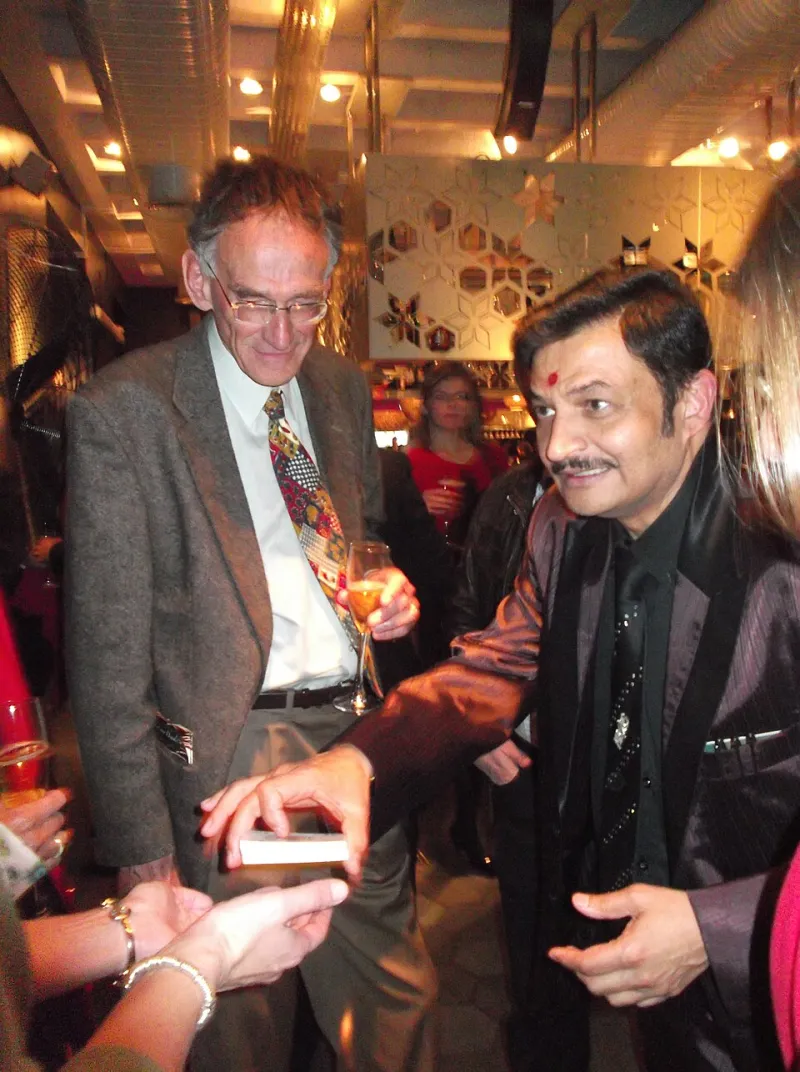
People assume a performer's life is all theatre curtains and dressing rooms with little bowls of Maltesers. Lovely thought. In fifteen years of gigging and close-up magic around Britain, I have performed on precisely one actual stage. The rest? A kayak shed. A barn with a resident owl. A canal boat that listed to port every time someone clapped.
Consider this part confession, part public service. Because here's the thing: a strange venue isn't a problem. A venue you haven't properly scouted is.
The Scout Hut That Ate My Soundcheck
Let's begin in the Peak District, in a scout hut that had clearly been built by scouts — enthusiastic, well-meaning, acoustically doomed scouts. The room was essentially a wooden shoebox with the acoustic properties of an echo at a stag do. Every guitar strum came back to me twice, like the building was learning my set.
The fix cost nothing: duvets and curtains borrowed from half the village, hung along the back wall. Sound dampening doesn't have to be pretty; it just has to exist. If you're booking entertainment in a hard-surfaced room, ask one question before anything else: what's on the walls? If the answer is 'nothing but damp patches', budget for soft furnishings or brace yourself for mush.
The Warehouse Rave, or: Power Struggles in Salford
Then there was the converted warehouse in Salford — all exposed brick, exposed pipes and, crucially, exposed wiring from what I can only assume was the Victorian era. The organiser had booked a five-piece band, a lighting rig and a fog machine into a single ring main from 1973.
Halfway through the second song, the lights died. Then the amp. Then, briefly, the entire street.
The lesson is dull but vital: know your power supply. Ask the venue how many amps the circuit can handle, where the sockets are, and whether there's a dedicated supply for the entertainment. A magician running a PA and a lighting rig needs roughly the same electrical consideration as a small restaurant. Nobody tells you this until you're standing in the dark playing spoons.
Sightlines: The Invisible Dealbreaker
The canal boat taught me the importance of sightlines the hard way. Lovely crowd, lovely evening, but roughly two-thirds of them could see precisely nothing except the back of a man named Gary's head. Gary, I should say, was blameless. The room simply wasn't designed for performance — and nobody had thought to raise anything, angle anything, or move Gary.
Before your event, do the Gary Test. Stand where your guests will stand. Can they see the performer's face? The card table? The bride's first dance? If the answer's no, fix it with a riser, a rearranged layout, or a polite word with Gary.
The Checklist I Wish Someone Had Given Me
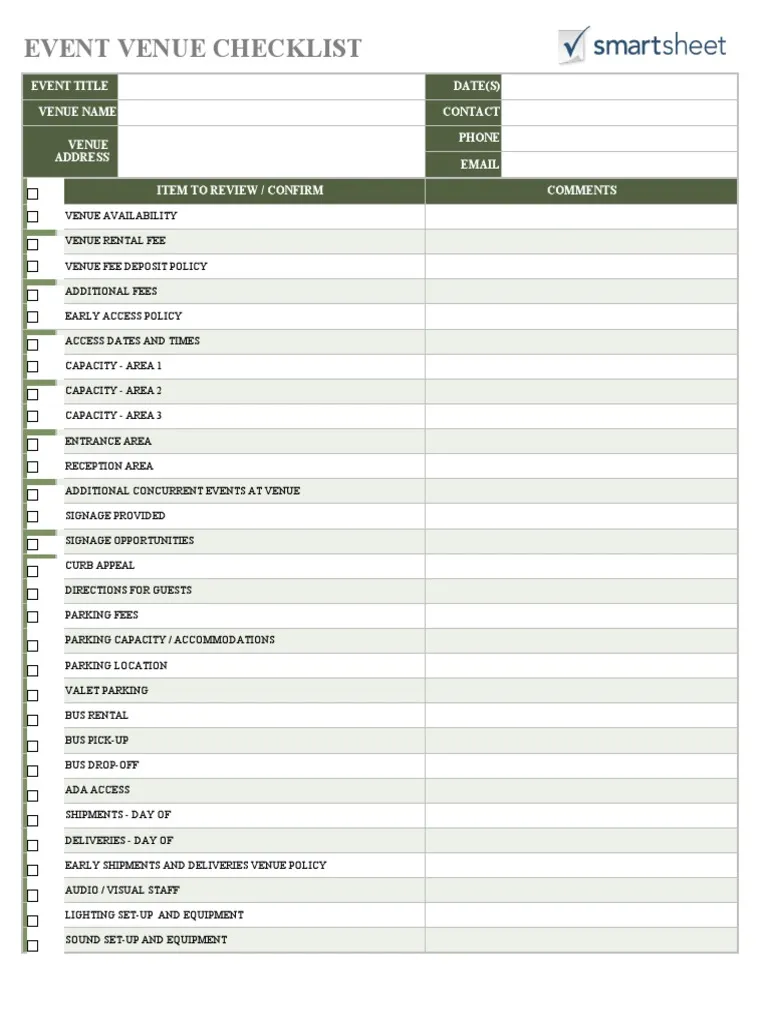
For organisers booking live entertainment, here's the short version of everything I've learned the hard way:
- Power: dedicated circuits, socket locations, and a fuse board that isn't held together with hope.
- Sound: hard surfaces kill acoustics. Soft things help. Volume limits (especially in residential areas) should be agreed in advance, not discovered at 11pm by an angry neighbour.
- Sightlines: do the Gary Test. Then do it from the bar, because that's where people actually stand.
- Lighting: performers need to be seen and, for magic especially, not blinded. A single dimmer switch is not a lighting plan.
- Access: measure the doorways. I have seen a harp defeated by a fire door, and I've seen the harpist's face.
- Weather: it's Britain. If any part of your event is outdoors, have a Plan B that isn't 'everyone huddle closer'.
Embrace the Weird
Here's my closing argument: the scout hut, the warehouse, even the barn owl — those are the gigs people still talk about. The Marriott ballroom in Milton Keynes? Blur. The scout hut where the entire village hung duvets like a community art project? Immortal.
Book the unexpected. Just check the fuse board first.