Before You Sign on the Dotted Line: An Event Bookers' Field Guide to Live Entertainment
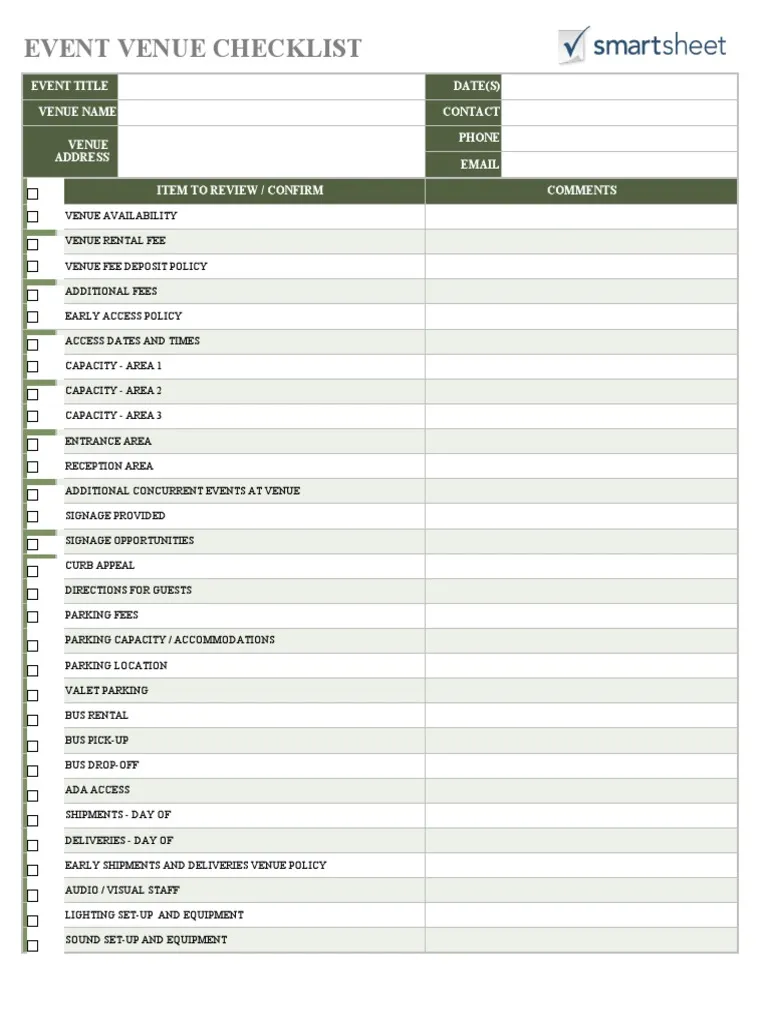
Photo: event planner checklist booking live entertainment party venue UK, via imgv2-1-f.scribdassets.com
Every year, around September, my inbox fills up with the same anxious message from event organisers across the UK: 'We've booked a DJ, a buffet and a photo booth — is that enough?' It's a fair question. Party season looms, budgets are tight, and nobody wants to be the person who booked entertainment that cleared the room faster than the fire alarm.
So consider this your field guide. Whether you're planning a Christmas do in Manchester, a wedding in the Cotswolds or a corporate awards night in London, here's how to book live entertainment that actually lands.
Why 'Unexpected' Beats 'Usual' Every Time
Here's an uncomfortable truth: most guests have seen a DJ. Most guests have seen a photo booth. Most guests have stood near a buffet wondering if the mini Yorkshire puddings count as a meal.
What most guests haven't seen is a magician appearing at their table, a close-up performer working the room during the drinks reception, or a musician who takes requests and riffs on them. The unexpected is what people talk about on the drive home. A DJ keeps the party going; a performer gives people a story.
Live entertainment also solves the two great problems of any event: the awkward arrival window (nobody knows anyone, everyone's holding a warm glass of Prosecco) and the dead zone between dinner and dancing. A roaming performer fills both beautifully.
The Brief: Tell Them Everything, Then Tell Them More
The single biggest cause of entertainment flops isn't bad performers — it's bad briefings. Before you even approach an act, get clear on:
- The venue layout — upstairs function room? Marquee? Restaurant with low ceilings and a curious acoustic?
- Guest numbers and demographics — twenty mates from the office behaves very differently to 150 relatives spanning four generations.
- Timings — when do guests arrive, when is food, when do you need the room turned around?
- The vibe — sophisticated and subtle, or full-on and interactive? Both are valid. Mixing them up is not.
A good performer will ask these questions themselves. If they don't, that's information too.
Budgeting: What You're Actually Paying For
A common shock for first-time bookers: professional entertainment isn't cheap, and it shouldn't be. That fee covers years of practice, insurance, PAT-tested equipment, travel, admin and the hours of prep you never see.
As a rough guide for the UK market, expect experienced close-up magicians and solo musicians to charge anywhere from a few hundred pounds for a short set to considerably more for premium dates — and December Saturdays command a premium for a reason. If a quote seems suspiciously low, ask what's missing. It's usually insurance, experience or both.
Also budget for the unglamorous stuff: parking, a hot meal for the performer (yes, really — it's standard courtesy and keeps energy up for the second half), and a quiet space to prepare if the act involves props or costume.
The Checklist: Questions to Ask Before Signing
Print this off. Seriously.
- Are you insured? Public liability insurance is non-negotiable. Many venues won't let performers work without it.
- Do you have PAT certificates for your equipment? Again, venues will ask.
- What exactly is included? Set lengths, number of sets, travel, accommodation if applicable.
- What do you need from us? Power, table, changing space, access times.
- What's your cancellation policy? And what happens if the event is postponed?
- Have you performed at similar events? Ask for a recent reference or video.
- Is the contract clear? Everything agreed verbally should be in writing before any deposit changes hands.
Red Flags: When to Walk Away
- No contract offered, or a vague one-pager with no cancellation terms.
- Reluctance to provide insurance details or references.
- Quotes given over the phone with nothing in writing.
- 'We'll sort the details out on the day.' No. No you won't.
- A website or socials that haven't been updated since roughly 2019.
- Pressure tactics — 'this price expires tonight' from an act you found on Tuesday.
None of these alone prove someone's a cowboy, but three or more together? Book elsewhere.
On the Day: Stage-Managing for Success
Even the best act can be sabotaged by poor logistics. Assign one person — ideally a competent friend, not the bride's mother mid-speech — to be the performer's point of contact. Make sure they know where to park, load in and set up. Brief the venue staff too; a surprise room change at 7pm has ruined many a polished opening.
Timing matters more than most organisers realise. A magician working the drinks reception should start as guests arrive, not twenty minutes later when everyone's already seated. A band's first set should hit when the dance floor is ready, not while people are still finishing dessert.
The Bottom Line
Great entertainment isn't a luxury add-on — it's the difference between 'lovely do' and 'do you remember THAT party?'. Brief thoroughly, budget honestly, check the paperwork, and give your performer the conditions to do their best work.
And if you're still stuck for ideas, well. I hear there's a magician who's very good at making awkward silences disappear. Ask Dean from Essex — he's seen the work.